One Watch. Three Completely Different Demands.
Picture this: you're mid-sled push at a HYROX event, heart rate spiking, forearms burning. Your silicone strap is sliding around your wrist, trapping a pool of sweat against your skin. Sound familiar?
Here's the problem most hybrid athletes never think about. Your training week spans long runs, heavy deadlifts, chalk-covered barbells, ski erg sprints, and maybe a Monday morning meeting. That's three completely different environments, and you're asking one strap to handle all of them.
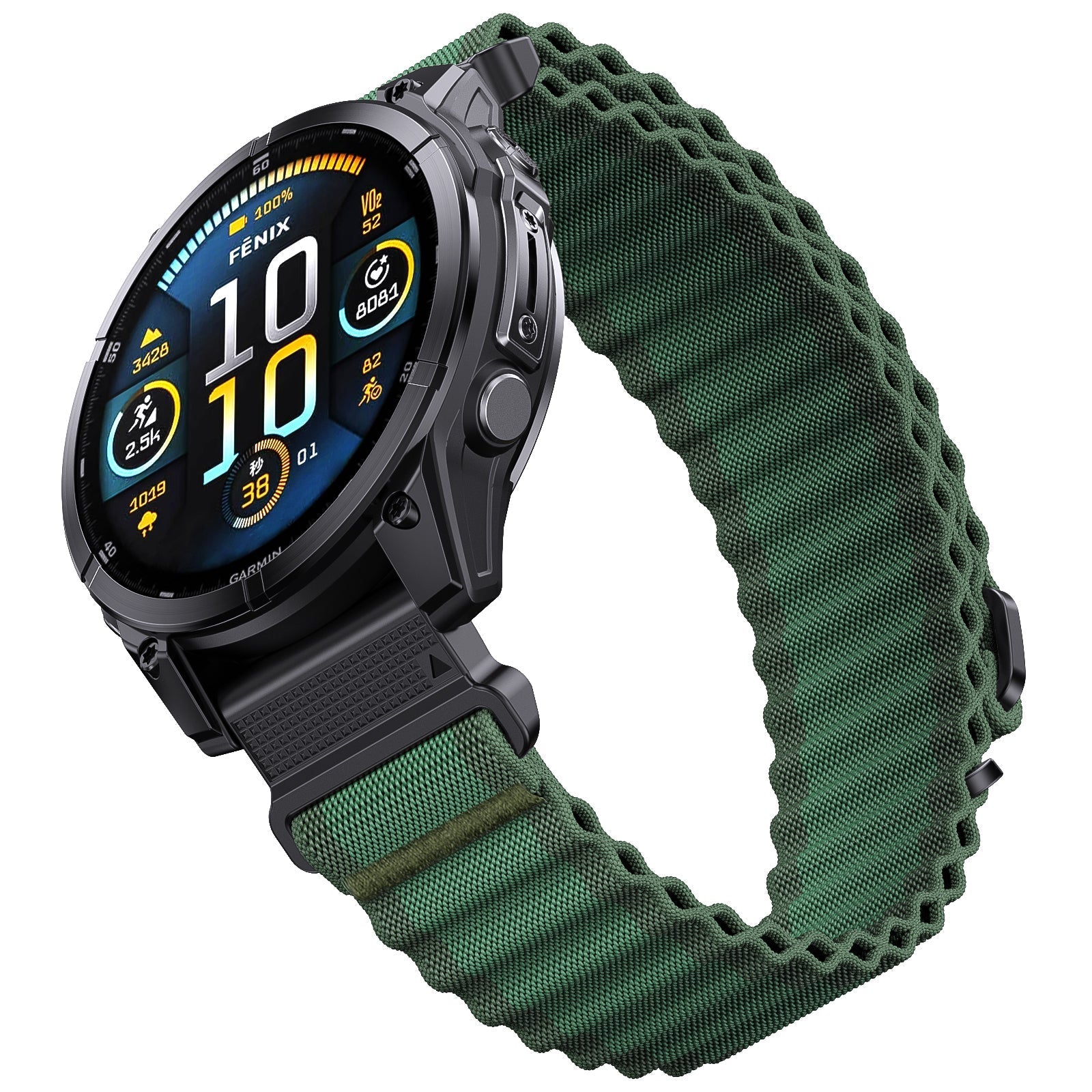
It's no surprise that 35% of smartwatch users report skin irritation caused by their watch strap. If you're training twice a day, you're almost certainly in that group. Whether you're wearing a Garmin Fenix, a Forerunner, or an Apple Watch Ultra 3, your strap deserves the same attention as your shoes. This guide breaks it down material by material, so you know exactly what to wear for running, lifting, and everything in between.
Why Your Strap Choice Actually Matters (It's Not Just Style)
According to DemandSage, 92% of smartwatch users rely on their devices for health and fitness tracking. That makes your watch strap the most skin-contact component of your most-used fitness tool. It's not an accessory. It's performance kit.
A loose or poorly fitted strap during lifting or running doesn't just feel uncomfortable. It compromises your optical heart rate sensor accuracy, which means your training zones, recovery metrics, and calorie data are all less reliable. If your strap shifts during a set of cleans or bounces on a long run, your watch is essentially guessing.
Then there's the skin issue. Silicone creates a sealed, non-porous surface against your wrist. During prolonged high-intensity training, that seal traps heat and moisture, leading to a condition called skin maceration. This is one of the primary causes of strap-related irritation. If you're a hybrid athlete training daily, the odds are stacked against you.
The solution isn't finding one perfect strap. It's building a smart strap rotation strategy. Let's start with the materials.
The Four Strap Materials You Need to Know
Think of this as your essential material cheat sheet. Each strap type has a clear strength and a clear weakness. Knowing the difference will change how you kit out your wrist.
FKM Rubber
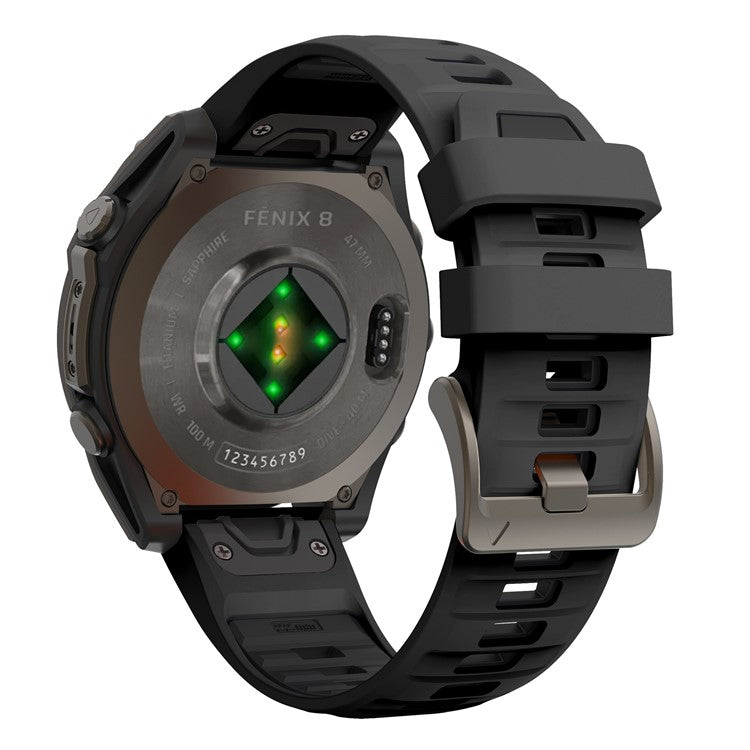
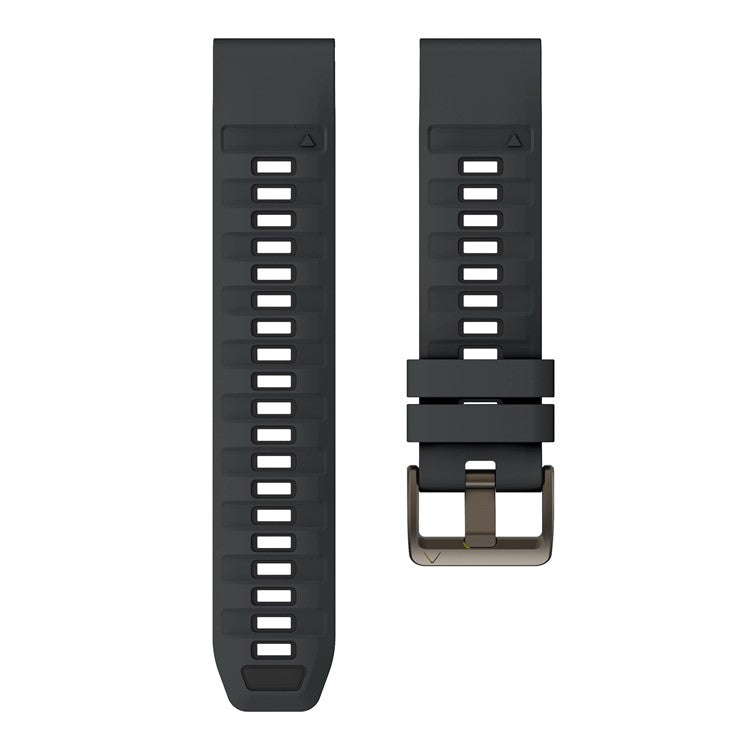
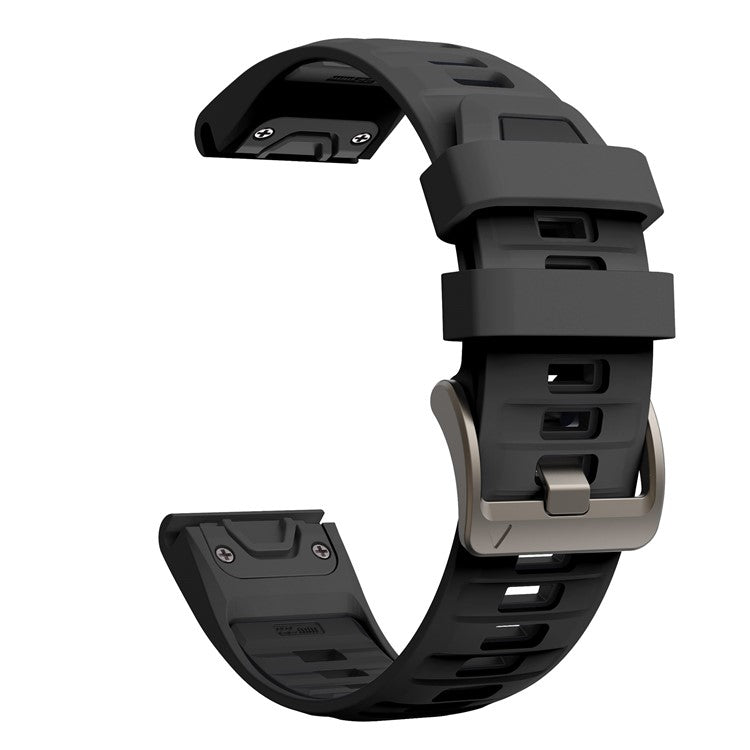
FKM (fluoroelastomer) rubber was originally developed for the aerospace and industrial sectors. It resists sweat, UV rays, chemicals, oils, and high temperatures. It moulds to the shape of your wrist over time, delivering a snug, personalised fit after a short break-in period. Unlike silicone, FKM doesn't carry a static charge, so it resists lint and dust throughout the day. Lifespan: a solid 3 to 5 years. Even Rolex chose a fluoroelastomer (FKM-family) compound for its Oysterflex bracelet, validating FKM as the premium performance rubber in watchmaking.
Silicone
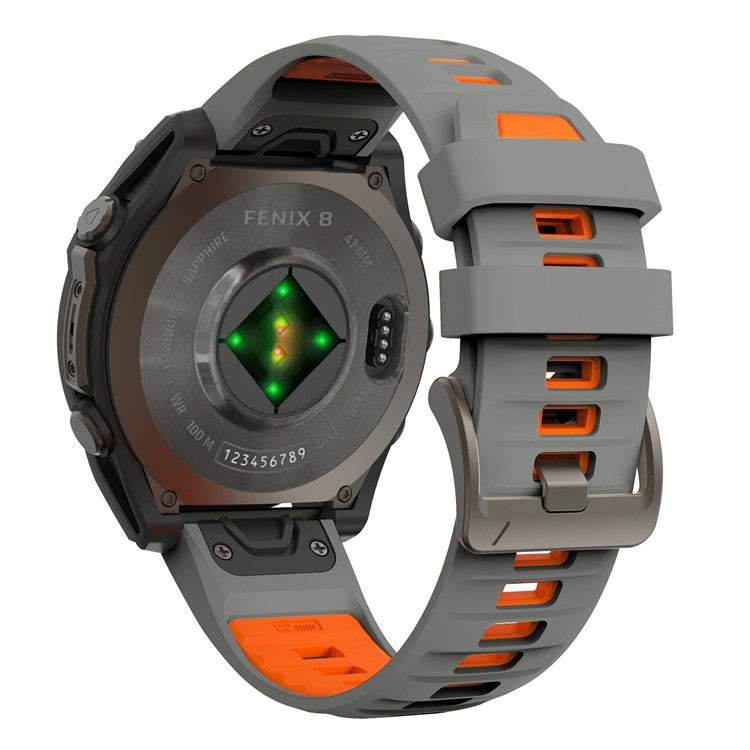
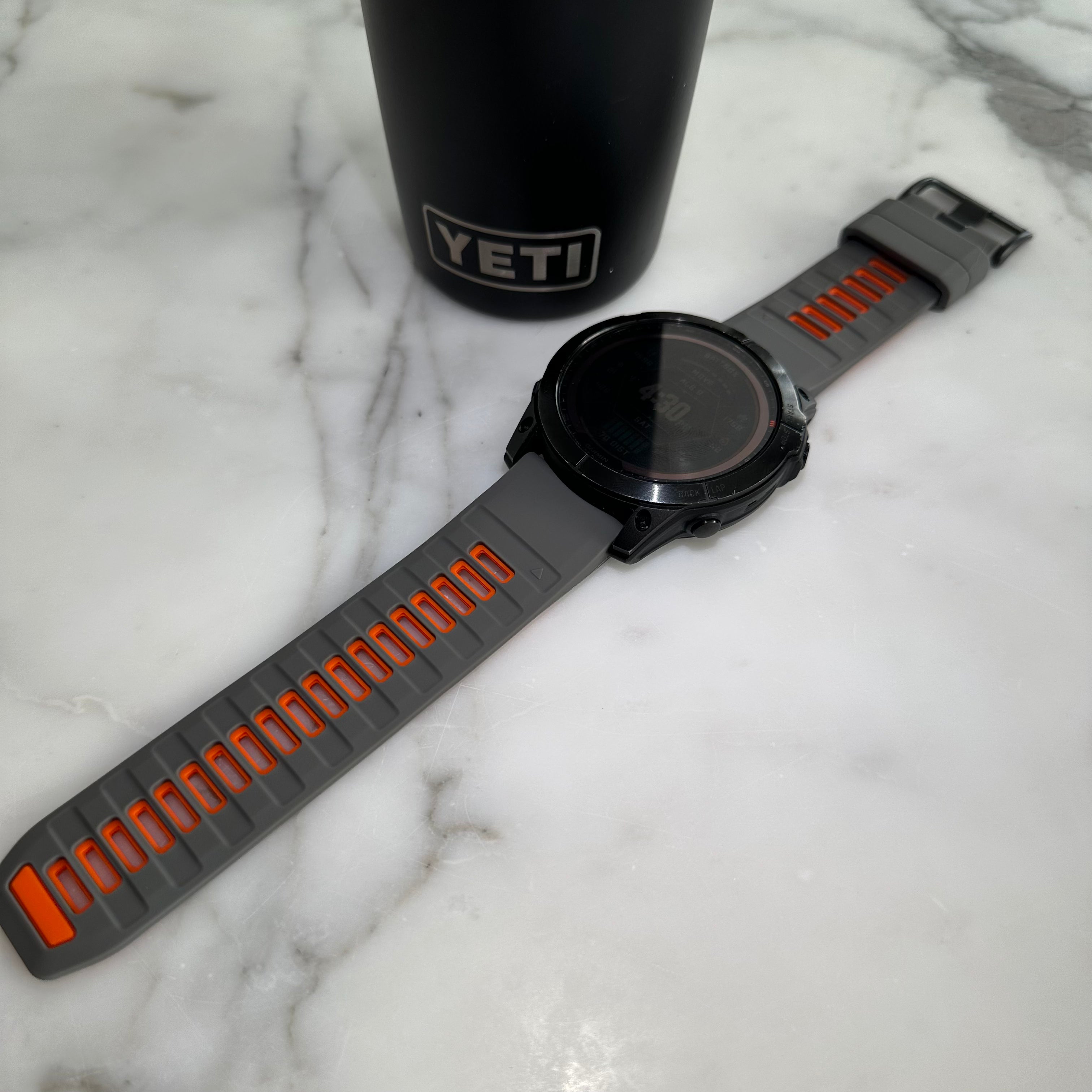
Silicone is non-porous and easy to wipe clean after a session. That's its biggest advantage. However, that sealed surface traps body heat and moisture against your skin. For a quick 30-minute workout it's fine; for prolonged or twice-daily training, it becomes a recipe for irritation and discomfort. Silicone straps typically last 1 to 1.5 years before degrading.
Nylon
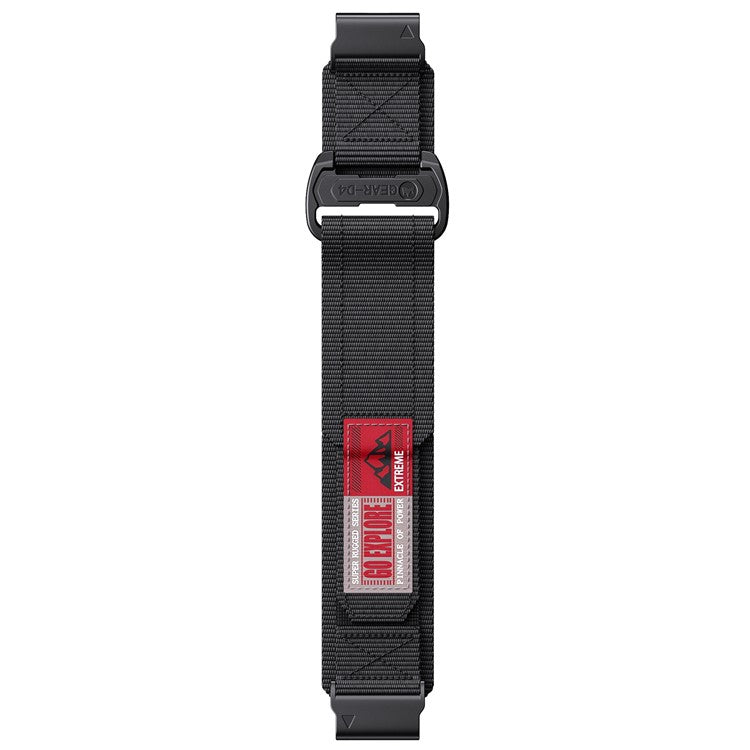
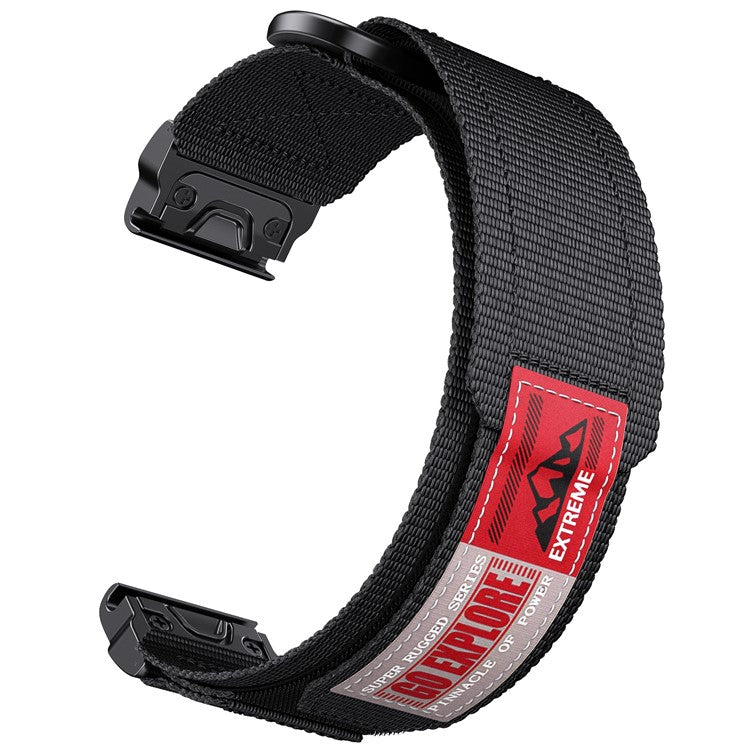
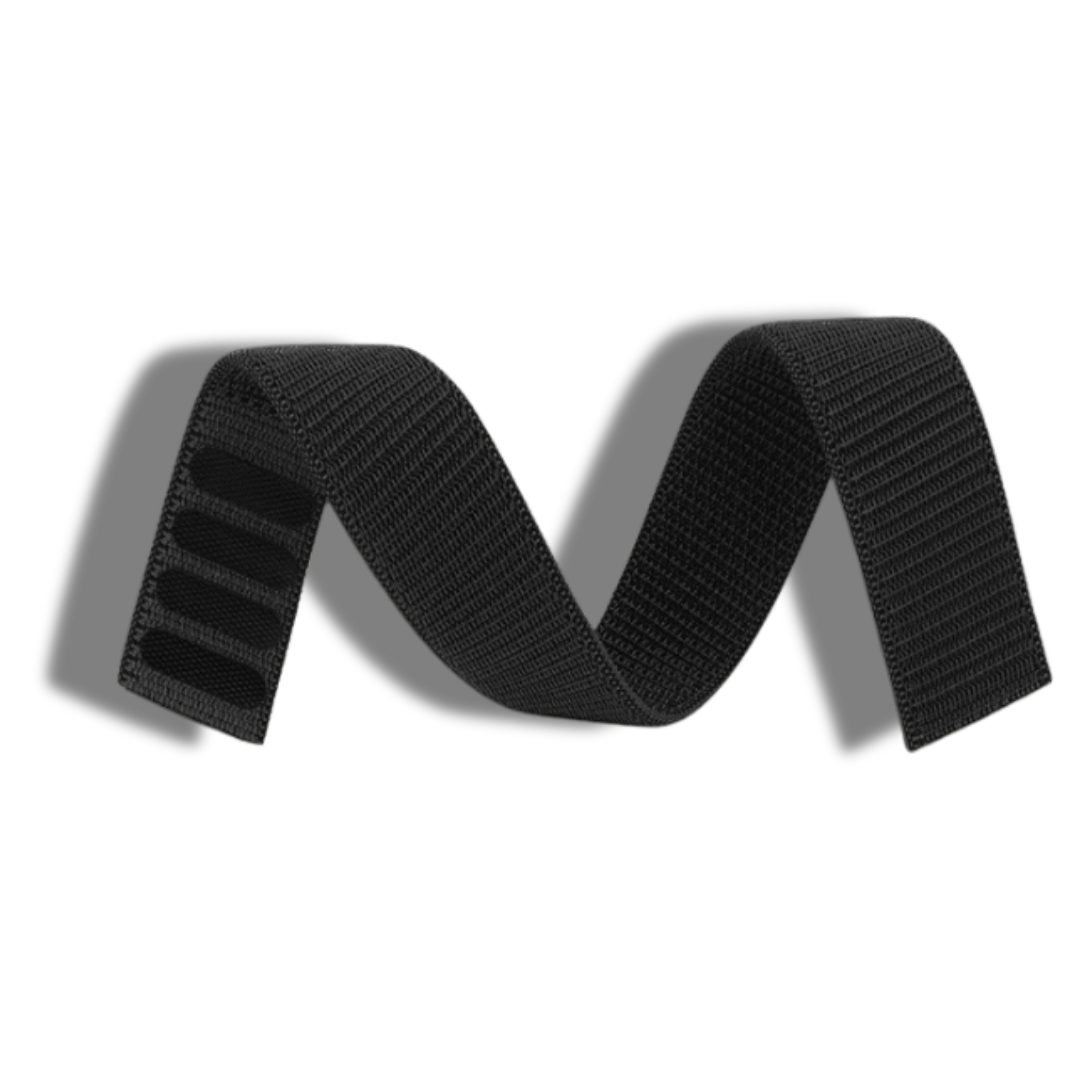
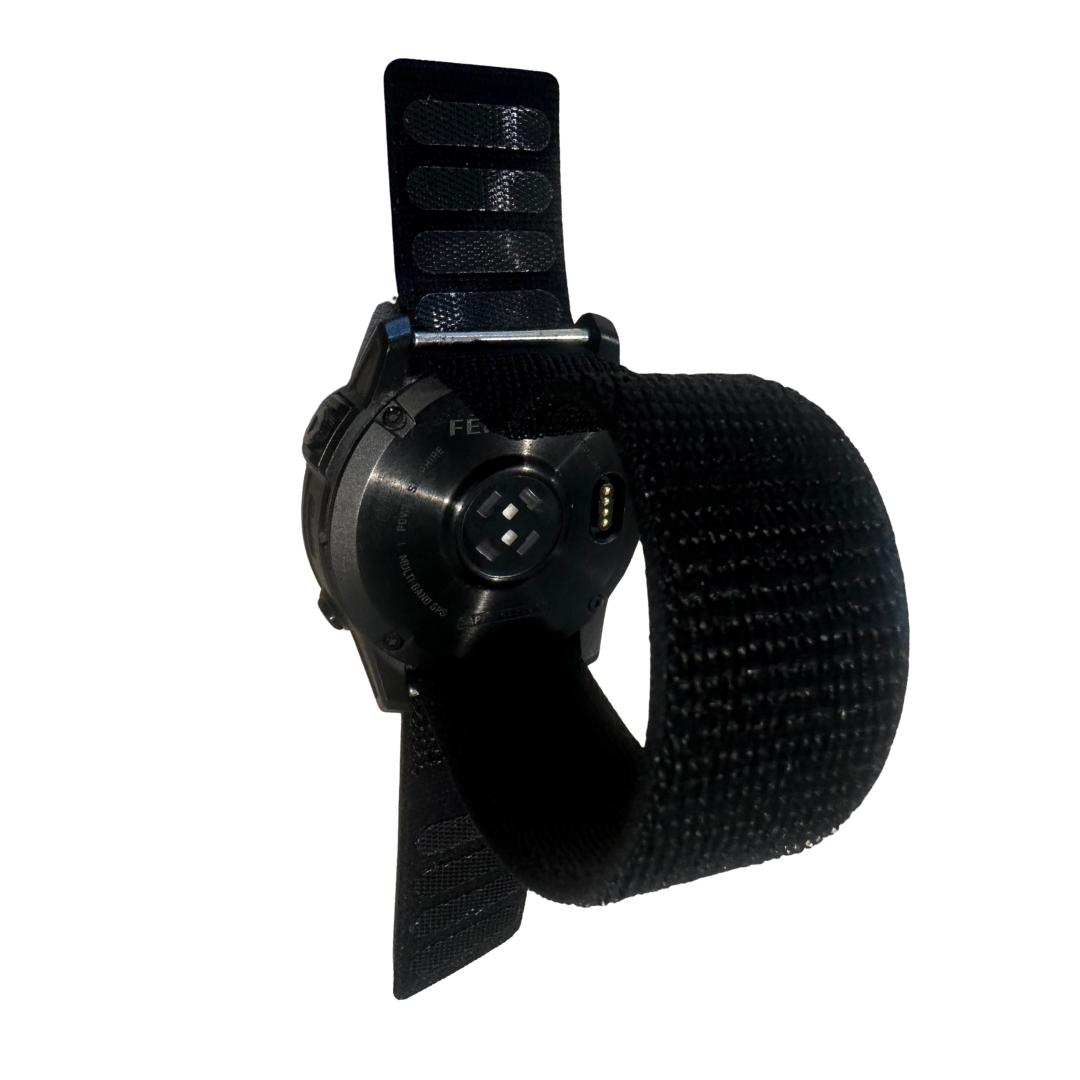
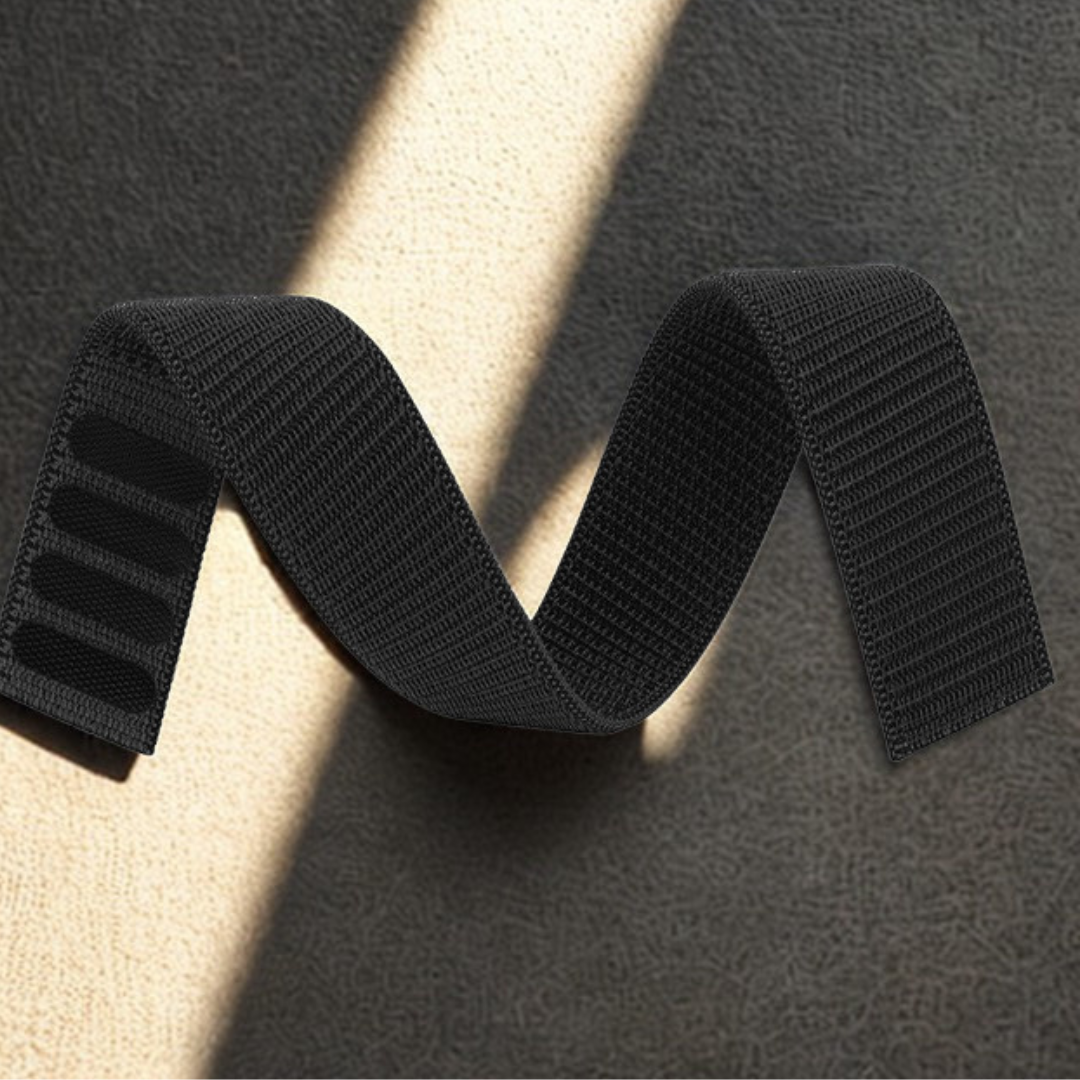
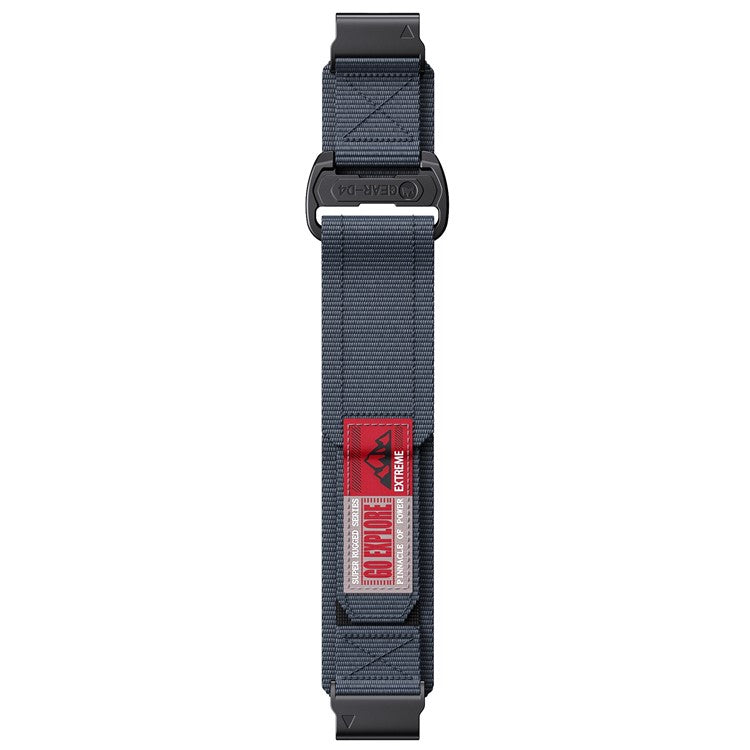
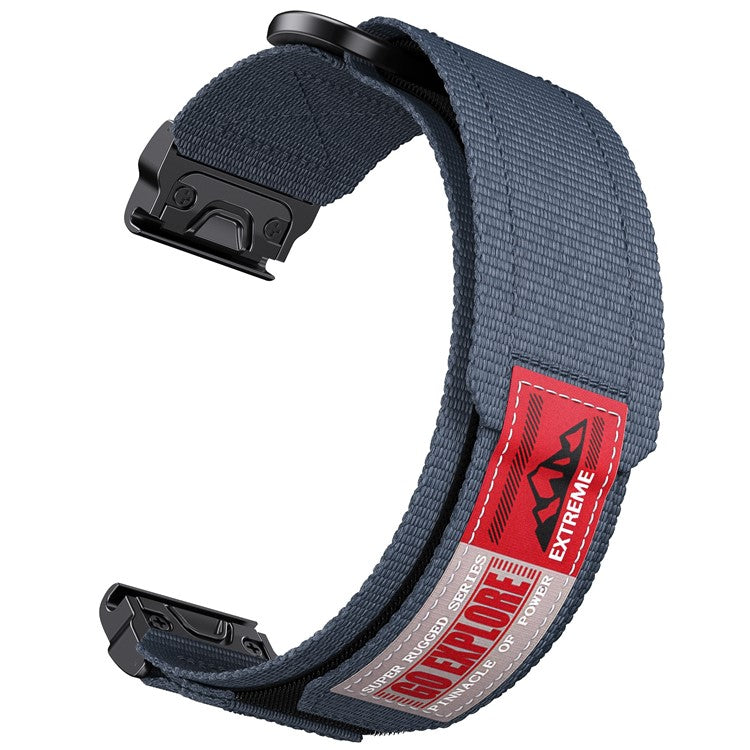
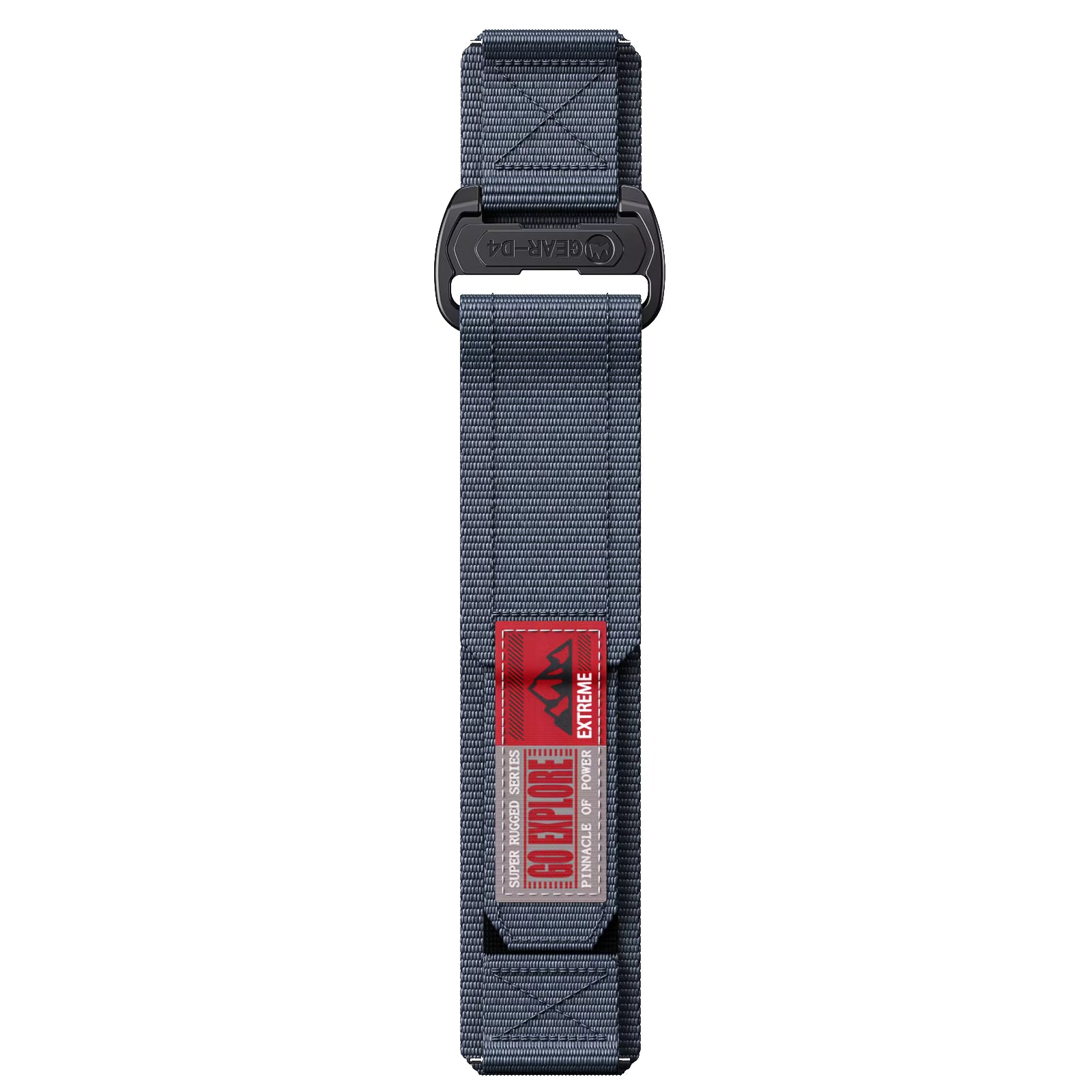
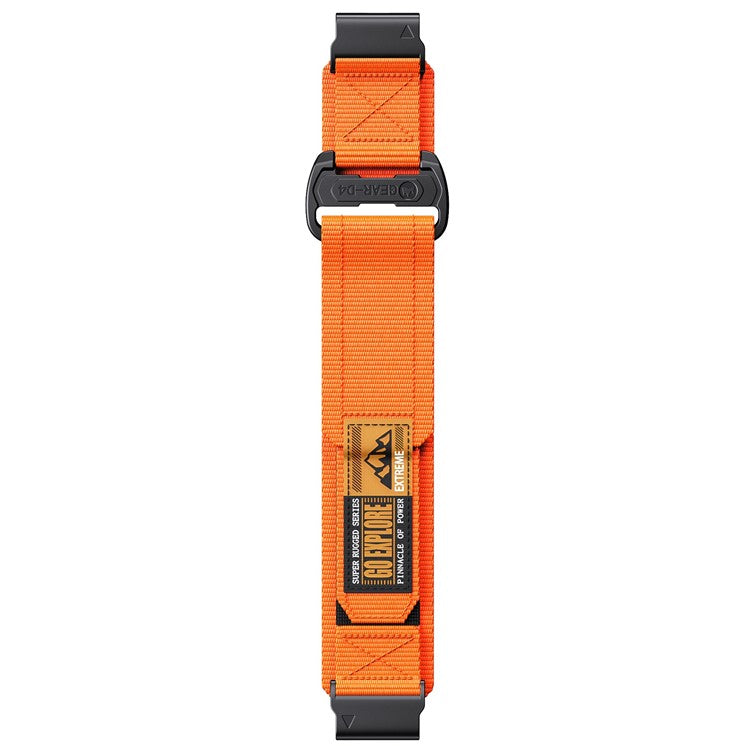
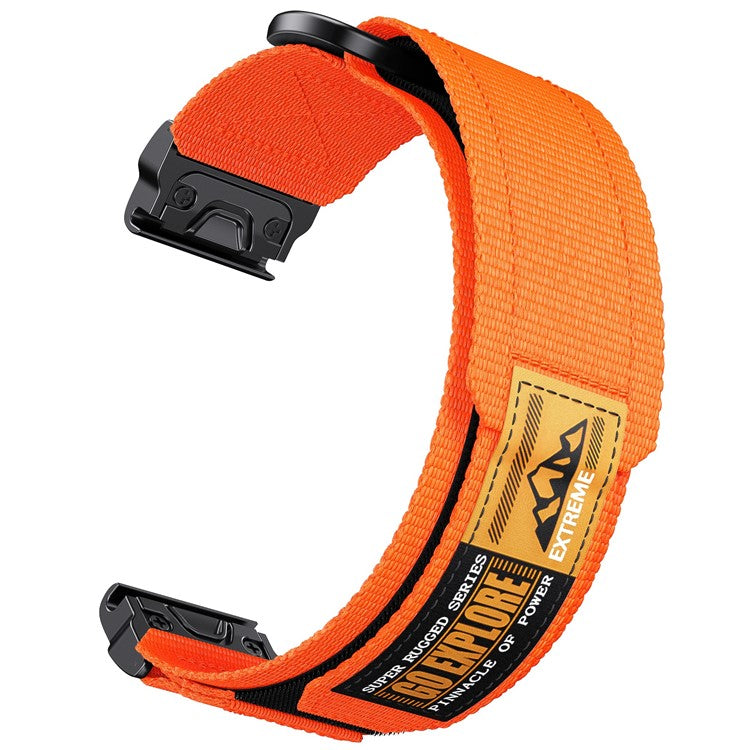
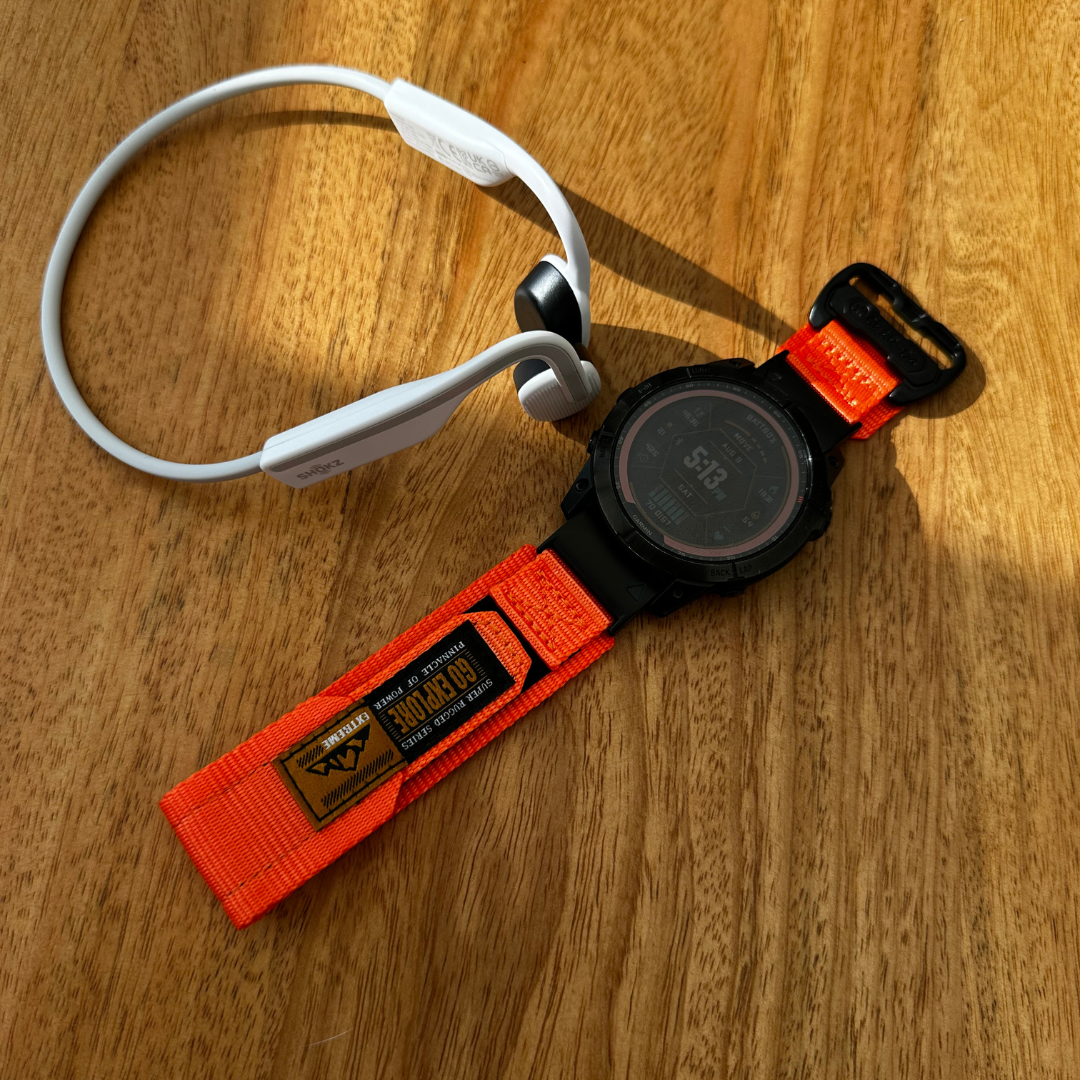
Woven nylon fibres allow air to circulate and wick moisture away from the skin rather than trapping it. This makes nylon the go-to for long training sessions and gym-to-street transitions. It's lightweight, comfortable, and available in a huge range of colourways. The trade-off: nylon isn't suitable for full water submersion, and it typically lasts 6 to 18 months with heavy use.
Leather
Leather absorbs sweat, which causes discolouration and cracking over time. It has no place in your gym bag. For recovery days, office wear, and social occasions, though, nothing looks sharper on the wrist. Leather is a lifestyle strap, pure and simple.
The Best Strap for Running
Running places unique demands on your strap: prolonged sweat exposure, UV rays, constant arm swing, and sessions that can stretch well beyond 60 minutes. Skin irritation compounds with every extra kilometre.
Top pick for long runs: nylon. Its breathable, moisture-wicking construction keeps your wrist cool and dry over 60 to 90-plus minute efforts. It's lightweight enough that you'll forget it's there, which is exactly what you want when you're chasing a PB.
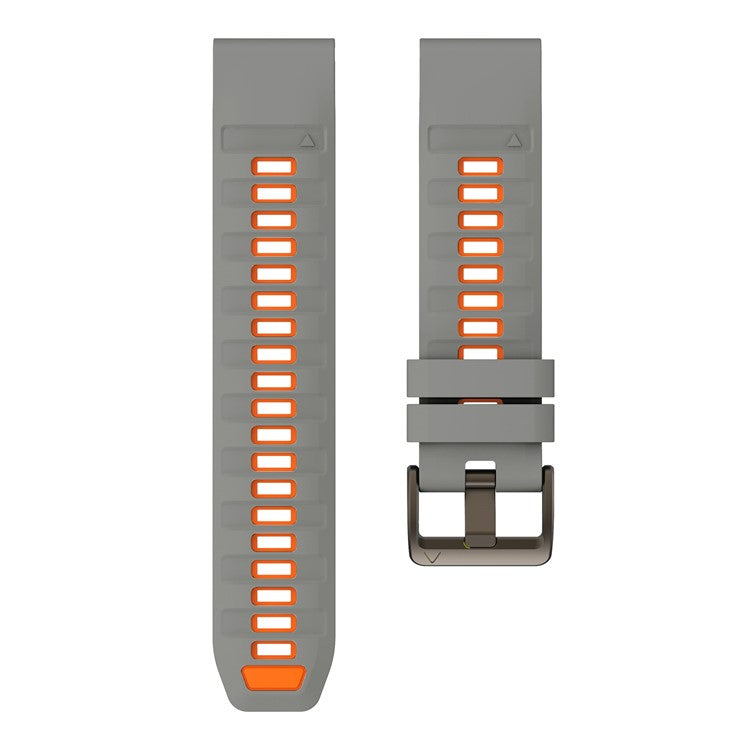
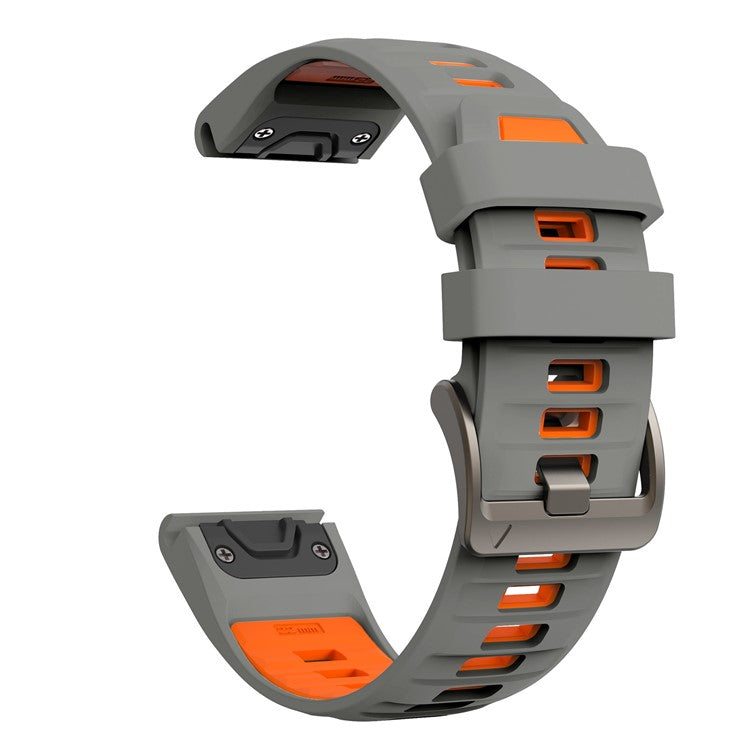
Best performance option for race day: FKM rubber. It delivers a secure, no-slip fit, handles sweat and UV without degrading, and its water resistance means rain or puddles won't faze it. For a 5K race or a HYROX event, FKM gives you confidence that your watch stays locked in place.
Silicone underperforms on long runs. That sealed surface traps heat and moisture, and over 60-plus minutes the irritation builds. If you've ever finished a long run with a red, itchy wrist, your silicone strap is likely the culprit.
Sensor fit tip: your strap should sit snug with roughly one finger gap between the strap and your wrist. This maintains optical heart rate accuracy during arm swing without cutting off circulation.
The Best Strap for Lifting and Functional Fitness
Lifting and functional fitness bring a completely different set of challenges. Bar contact, chalk exposure, grip pressure compressing your wrist, and wrist flexion during movements like cleans, snatches, and wall balls all test your strap in ways that running never does.
This is especially relevant for HYROX. A peer-reviewed study published in Research Quarterly for Exercise and Sport (2025) analysed 145 HYROX races and 278,063 participants across five seasons, confirming the sport's explosive growth. With over 1 million athletes now competing annually, the demand for performance-grade watch accessories is growing alongside the sport. Sled pushes, ski erg pulls, farmers carries, and sandbag lunges all create direct strap contact and intense wrist pressure.
Top pick for lifting and HYROX: FKM rubber. Its secure grip stays locked under pressure. It's chemical-resistant, so chalk and sweat won't degrade it. It moulds to your wrist for a snug fit that doesn't shift during heavy sets. And it handles the constant wrist flexion of functional movements without bunching or rolling.
Nylon can work for lifting sessions, but it tends to absorb chalk and requires more frequent washing to stay fresh. Silicone is the weakest option here; it can roll or bunch under bar contact, creating both a comfort issue and a sensor accuracy problem during heavy sets.
HYROX race-day tip: FKM rubber is the preferred competition-day strap. Its grip, water resistance, and secure fit make it the smartest choice across all eight workout stations and the runs in between.
The Lifestyle Strap: Gym to Coffee Shop Without Changing
The athleisure wrist trend is real. Hybrid athletes increasingly want a strap that looks as good post-workout at a coffee shop as it does during a 5am session. Your watch is on display all day. It should reflect your style, not just your sport.
Best gym-to-street option: premium nylon. A woven or NATO-style nylon strap is breathable enough for training and sharp enough for casual wear. With multiple colourways available, you can match your strap to your style without sacrificing performance.
Recovery days and office wear: leather. Nothing elevates a watch like a quality leather strap. It's the go-to for rest days, social occasions, and professional settings. Just keep it away from sweat; leather and exercise don't mix.
FKM rubber in a clean colourway (black, navy, or olive) can also double as a lifestyle strap. Its smooth, lint-resistant surface gives it a refined look that works beyond the gym.
At The Time Club, we carry all of these materials across a wide range of colourways, with model-specific compatibility for Garmin and Apple Watch. Whether you're wearing a Fenix 8, a Forerunner 265, or an Apple Watch Ultra 3, we've got you covered.
Build Your Strap Rotation: The 2 to 3 Strap Strategy
No single strap does everything optimally. The smartest move is a rotation.
- FKM rubber for competition days and heavy lifting sessions. Secure, durable, built for intensity.
- Nylon for long runs and everyday training. Breathable, comfortable, and stylish enough for the street.
- Leather or premium nylon for recovery days and lifestyle. Sharp, refined, and a well-earned upgrade from your training strap.
Consider the cost-per-wear argument. FKM rubber lasts 3 to 5 years compared to 1 to 1.5 years for silicone. Owning two or three quality straps is more economical long-term than repeatedly replacing one cheap strap.
Want to build your rotation without a big upfront spend? Our subscription strap service, The Club, lets you receive regular strap upgrades so your collection grows with your training. All straps are available with model-specific compatibility for Garmin Fenix, Forerunner series, Apple Watch Ultra 3, and standard Apple Watch sizes.
Find Your Strap and Start Performing Better
Your strap is performance kit, not an afterthought. It affects your comfort, your data accuracy, your skin health, and your race-day confidence. The three-strap rotation is the smartest move any serious hybrid athlete can make.
Explore The Time Club's full range of FKM rubber, nylon, and leather straps for Garmin and Apple Watch. We offer model-specific compatibility guides and expert size guides to make sure you get the perfect fit first time.
Don't just take our word for it. We're rated high on Trustpilot, and our customers consistently highlight strap performance during training. As one recent reviewer put it: " Needed a replacement strap for a Garmin watch. Was able to get exactly the right sort at a good price. Delivery was quick and easy." Our customer service team is always on hand if you need help choosing.
Your watch tracks the work. Make sure your strap can keep up. Welcome to The Time Club. Let's perform.


Partager:
Why Garmin Users Are Switching to Nylon Watch Straps for HYROX Training in 2026
Why Your Watch Strap Is Wrecking Your Heart Rate Data